
CAREERS ENCYCLOPEDIA

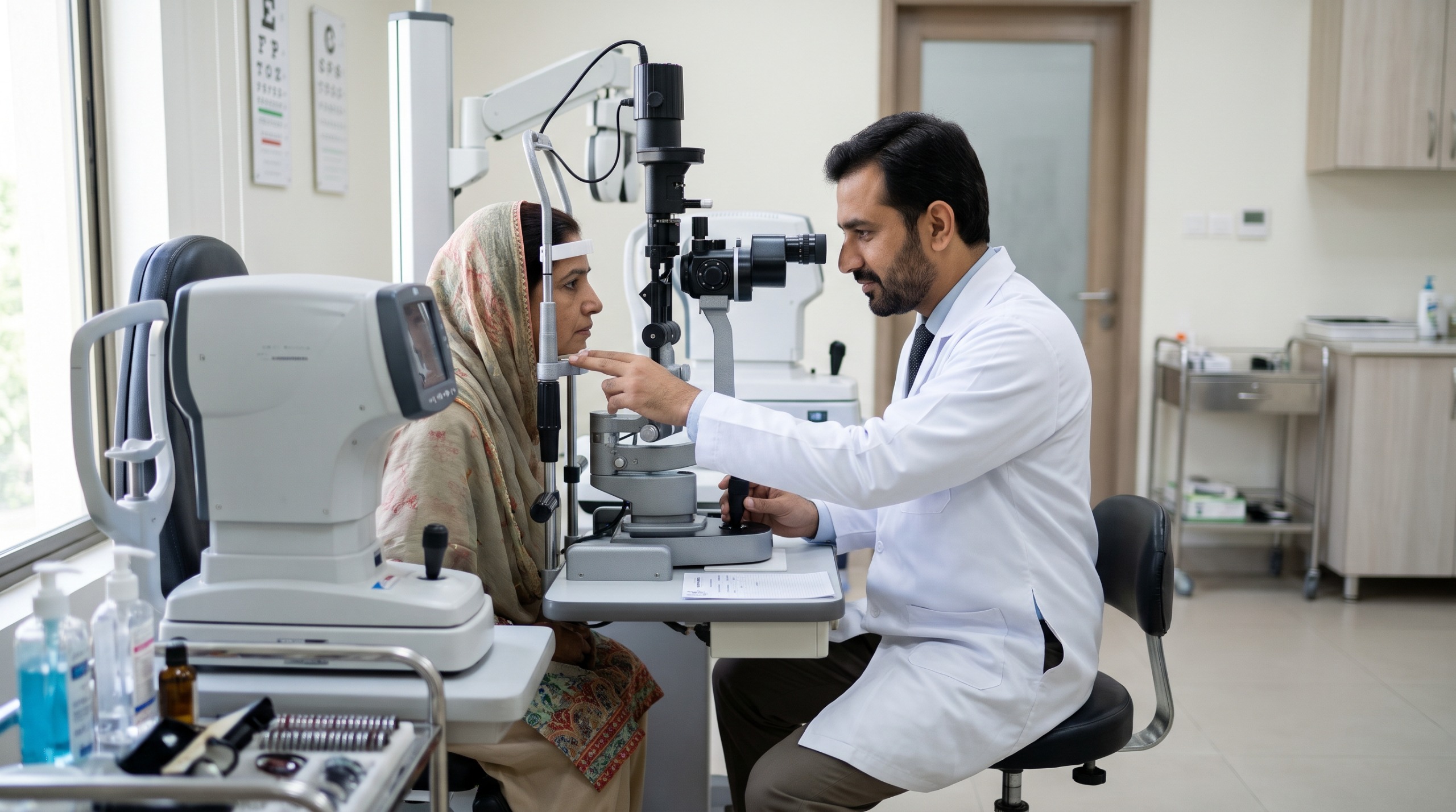
Ophthalmologist
An Ophthalmologist is a medical doctor who specializes in diagnosing, treating, and preventing diseases and disorders of the eyes and visual system. They perform eye examinations, prescribe medicines and corrective lenses, manage eye conditions, and carry out eye surgery when required.
- Examine patients' eyes and assess their vision.
- Diagnose eye diseases such as cataracts, glaucoma, and retinal disorders.
- Prescribe medicines and recommend corrective lenses when appropriate.
- Perform specialized eye tests and interpret diagnostic results.
- Carry out eye surgeries according to their training and specialization.
- Treat eye injuries, infections, and other eye conditions.
- Monitor patients with chronic eye diseases.
- Refer patients for additional testing or specialized treatment when needed.
- Maintain accurate medical records and treatment plans.
- Educate patients about eye health and preventive care.
Eye Anatomy and Diseases
- Understand the structure and function of the eye and visual system.
- Know common eye diseases, infections, and injuries.
- Understand conditions affecting the retina, cornea, optic nerve, and lens.
Medical Diagnosis and Treatment
- Understand eye examination procedures and diagnostic tests.
- Know medical and surgical treatments for eye conditions.
- Understand how systemic diseases can affect vision.
Patient Safety and Clinical Care
- Understand infection control and safe clinical procedures.
- Know patient assessment and follow-up requirements.
- Understand medical ethics, consent, and confidentiality.
Eye Examination and Diagnosis
- Conduct comprehensive eye examinations.
- Assess vision and interpret diagnostic findings.
- Identify signs of eye disease and complications.
Medical and Surgical Treatment
- Develop treatment plans based on clinical findings.
- Administer or prescribe appropriate treatment within professional scope.
- Perform specialized procedures and surgery when trained and authorized.
Patient Communication
- Explain diagnoses and treatment options clearly.
- Advise patients about medication use and follow-up care.
- Communicate effectively with other healthcare professionals.
Visual and Diagnostic Ability
- Recognize subtle changes in eye structures.
- Interpret examination findings and diagnostic images.
- Identify conditions requiring urgent treatment.
Manual Dexterity
- Handle delicate ophthalmic instruments accurately.
- Perform precise examination procedures.
- Carry out microsurgical tasks after appropriate training.
Analytical and Decision-Making Ability
- Evaluate symptoms and test results.
- Select appropriate diagnostic and treatment approaches.
- Make timely decisions in urgent eye conditions.
Ophthalmologists are generally observant, compassionate, disciplined, and interested in medical science. They do well at jobs that need:
- Precision: Perform detailed examinations and delicate procedures.
- Empathy: Understand patients' concerns about vision.
- Patience: Explain conditions and treatment plans carefully.
- Responsibility: Protect patient safety and confidentiality.
- Critical Thinking: Evaluate symptoms and diagnostic results.
- Composure: Remain focused during complex procedures.
Eye Examination Equipment
- Use slit lamps to examine eye structures.
- Operate autorefractors, tonometers, and visual acuity testing equipment.
- Use ophthalmoscopes and other diagnostic instruments.
Ophthalmic Imaging
- Interpret optical coherence tomography (OCT) scans.
- Use fundus photography and visual field testing systems.
- Review retinal and corneal imaging where required.
Surgical and Clinical Systems
- Use ophthalmic surgical microscopes and laser systems when trained.
- Maintain electronic medical records and treatment documentation.
- Follow equipment sterilization and clinical quality procedures.
- FSc Pre-Medical or an equivalent qualification meeting medical admission requirements.
- MBBS degree from a recognized medical institution.
- Completion of the required house job and applicable registration requirements.
- Postgraduate specialization in Ophthalmology, such as FCPS or an equivalent recognized qualification, for specialist practice.
- Strong knowledge of eye anatomy, diseases, and diagnostic methods.
- Clinical experience in eye examinations and patient care.
- Good communication, analytical, and decision-making skills.
- Additional fellowship training for subspecialties such as retina, cornea, glaucoma, or pediatric ophthalmology.
- Compliance with Pakistan Medical and Dental Council (PMDC) requirements for medical practice and recognized qualifications.
Ophthalmologists work in public and private hospitals, eye hospitals, specialist clinics, and medical teaching institutions. Opportunities are supported by the need to diagnose and treat cataracts, glaucoma, diabetic eye disease, refractive problems, and other vision conditions. Experienced specialists may progress to Senior Consultant Ophthalmologist, Department Head, Medical Director, or academic and research positions.
- Public-sector hospitals.
- Private hospitals and medical centers.
- Specialist eye hospitals and vision clinics.
- Ophthalmology and surgical centers.
- Medical colleges and teaching hospitals.
- Eye care and community health programs.
- Medical research institutions.
- Non-governmental organizations providing eye care.
- Public health and blindness prevention programs.
- Private ophthalmology practice, subject to applicable requirements.
- FSc Pre-Medical or an accepted equivalent qualification.
- MBBS from a recognized medical university.
- Required house job and medical registration.
- Postgraduate training in Ophthalmology through a recognized pathway.
- FCPS Ophthalmology or another recognized postgraduate qualification.
- Continuing professional development in eye diseases and treatment.
- Fellowship training for advanced subspecialties.
- Clinical and surgical training under qualified supervisors.
- College of Physicians and Surgeons Pakistan (CPSP): Postgraduate training and FCPS pathways in Ophthalmology at approved institutions.
- King Edward Medical University, Lahore: Medical education and relevant postgraduate clinical training where available.
- Rawalpindi Medical University, Rawalpindi: Medical education and ophthalmology-related clinical training.
- Allama Iqbal Medical College, Lahore: MBBS education and relevant clinical training through affiliated facilities.
- Dow University of Health Sciences, Karachi: Medical education and ophthalmology-related postgraduate opportunities.
- Aga Khan University, Karachi: Medical education and specialist clinical training.
- Khyber Medical University, Peshawar: Medical education and relevant postgraduate pathways through approved institutions.
- University of Health Sciences, Lahore: Medical education and affiliated clinical training pathways.
- Pakistan Institute of Ophthalmology, Al-Shifa Trust Eye Hospital, Rawalpindi: Explore recognized ophthalmology training and clinical opportunities.
- Public medical college MBBS tuition: approximately PKR 50,000 to 300,000 per year, depending on the institution and fee category.
- Private medical college MBBS tuition: approximately PKR 1.8 million to 2.5 million or more per year, subject to current fee regulations and institutional charges.
- Books, instruments, and study materials: PKR 30,000 to 100,000 per year.
- Hostel and living expenses: PKR 15,000 to 50,000 per month, depending on city and accommodation.
- Postgraduate examination and training-related costs: vary by qualification, institution, and training pathway.
- Ophthalmology workshops and continuing education: PKR 5,000 to 50,000 per course.
- Subspecialty training may involve additional travel, accommodation, and professional expenses.
- Eligible students may receive 25% to 100% financial assistance through university scholarships, need-based aid, provincial programs, or other approved funding schemes.
- Some public-sector and approved postgraduate training positions may offer stipends or other financial support.