
CAREERS ENCYCLOPEDIA

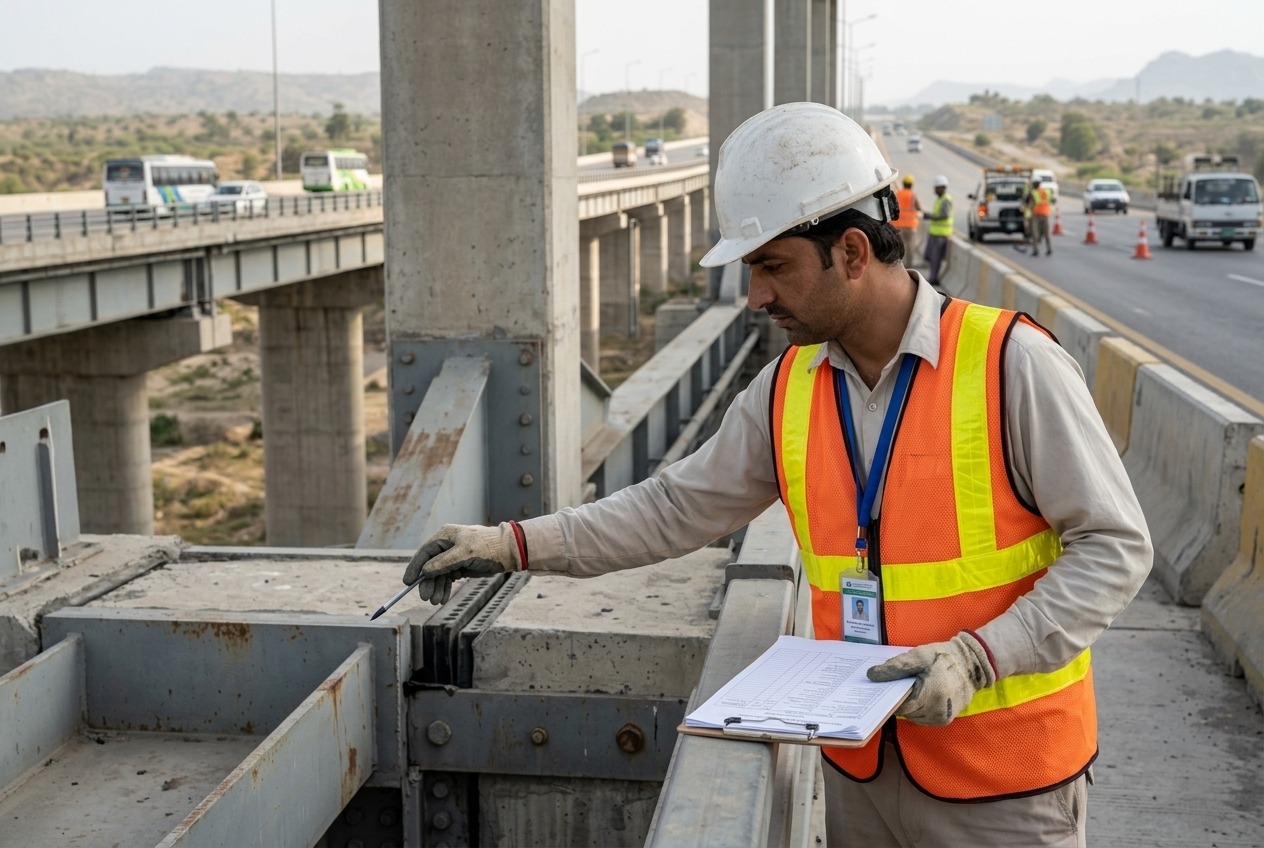
Bridge Inspector
A Bridge Inspector examines bridges and related structures to assess their safety, strength, and overall condition. They identify cracks, corrosion, structural damage, and other defects, prepare inspection reports, and recommend maintenance or repairs to help keep bridges safe for public use.
- Inspect bridge structures and supporting components.
- Check concrete, steel, joints, and foundations for damage.
- Identify cracks, corrosion, and signs of structural movement.
- Examine drainage systems and bridge surfaces.
- Record inspection findings and take photographs.
- Prepare technical reports on bridge conditions.
- Recommend repairs and maintenance work.
- Follow bridge inspection procedures and safety rules.
- Coordinate with civil engineers and maintenance teams.
- Monitor previously identified defects and repair progress.
Structural Engineering
- Understand basic bridge structures and load distribution.
- Know common structural defects and their causes.
- Understand the behavior of concrete and steel structures.
Construction Materials
- Understand the properties of concrete, steel, and other materials.
- Know the causes of corrosion, cracking, and material deterioration.
- Understand basic material testing procedures.
Inspection and Safety Standards
- Understand bridge inspection procedures.
- Know construction and infrastructure safety requirements.
- Understand inspection documentation and reporting practices.
Structural Inspection
- Examine bridge components for visible defects.
- Identify signs of wear, damage, and deterioration.
- Use inspection checklists accurately.
Technical Reporting
- Record measurements and inspection observations.
- Prepare clear inspection reports.
- Document defects with photographs and diagrams.
Equipment Handling
- Use measuring tools and inspection instruments.
- Operate approved inspection equipment.
- Follow safe procedures when accessing difficult areas.
Observation Ability
- Detect small cracks and structural changes.
- Recognize unusual conditions in bridge components.
- Compare current conditions with earlier inspection records.
Analytical Ability
- Assess the seriousness of identified defects.
- Interpret inspection measurements and test results.
- Support engineers in evaluating structural conditions.
Physical and Spatial Ability
- Work safely around large structures and elevated areas.
- Understand structural layouts and technical drawings.
- Move carefully through inspection locations when required.
A Bridge Inspector is observant, careful, responsible, practical, and committed to public safety.
They do well at jobs that need:
Attention to Detail: Notices cracks and other defects.
Responsibility: Follows inspection and safety procedures.
Patience: Examines structures thoroughly.
Analytical Thinking: Evaluates inspection findings.
Discipline: Maintains accurate records.
Teamwork: Coordinates with engineers and maintenance staff.
Inspection Equipment
- Use measuring tapes, crack gauges, and measuring devices.
- Work with cameras and inspection tools.
- Use approved access equipment for difficult locations.
Engineering Software
- Read structural drawings using CAD software.
- Review bridge designs and technical documents.
- Use spreadsheets to record and organize inspection data.
Digital Inspection Tools
- Use mobile applications for inspection records.
- Work with digital photographs and reporting systems.
- Use drones or remote inspection tools where authorized and available.
- A diploma or bachelor's degree in Civil Engineering or a related technical field, depending on the employer.
- Knowledge of bridge structures and construction materials.
- Understanding of inspection methods and infrastructure safety.
- Ability to read engineering drawings.
- Good observation and reporting skills.
- Familiarity with inspection tools and measurement equipment.
- Relevant field experience or technical training is beneficial.
- Additional bridge inspection training may be required for specialized roles.
Bridge Inspectors are needed to monitor the condition of roads, bridges, highways, and transportation infrastructure. Opportunities may be available with government departments, engineering consultants, construction companies, and infrastructure maintenance organizations. Experienced professionals may progress to Senior Bridge Inspector, Structural Inspection Supervisor, Infrastructure Engineer, or Bridge Maintenance Manager, depending on their qualifications.
- National Highway Authority (NHA).
- Provincial highway and communication departments.
- Government infrastructure organizations.
- Civil and structural engineering consultancy firms.
- Bridge construction and maintenance companies.
- Road and highway development projects.
- Transportation infrastructure contractors.
- Engineering inspection and testing organizations.
- Public works departments.
- Infrastructure rehabilitation projects.
- DAE in Civil Technology.
- BS Civil Engineering.
- BS Structural Engineering, where available.
- Master's degree in Structural Engineering for advanced technical roles.
- Short courses in bridge inspection and structural assessment.
- Training in construction materials testing and infrastructure safety.
- Courses in AutoCAD and engineering documentation.
- University of Engineering and Technology (UET), Lahore.
- National University of Sciences and Technology (NUST), Islamabad.
- NED University of Engineering and Technology, Karachi.
- COMSATS University Islamabad.
- Mehran University of Engineering and Technology, Jamshoro.
- University of Engineering and Technology, Taxila.
- Government College of Technology campuses offering relevant civil technology diplomas.
- National Highway Authority (NHA) or relevant engineering organizations for applicable technical training opportunities.
- Public university bachelor's degree: PKR 60,000 to 300,000 per year.
- Private university bachelor's degree: PKR 150,000 to 700,000 per year.
- DAE Civil Technology: approximately PKR 20,000 to 100,000 per year at public technical institutes.
- Short bridge inspection or structural assessment courses: PKR 15,000 to 60,000.
- AutoCAD and engineering software training: PKR 10,000 to 40,000.
- Construction materials testing courses: PKR 10,000 to 50,000.
- Books and study materials: PKR 10,000 to 30,000 per year.
- Scholarships and financial assistance: Eligible students may receive partial or full tuition support through technical education scholarships, university merit awards, need-based aid, and applicable government programs.