
CAREERS ENCYCLOPEDIA

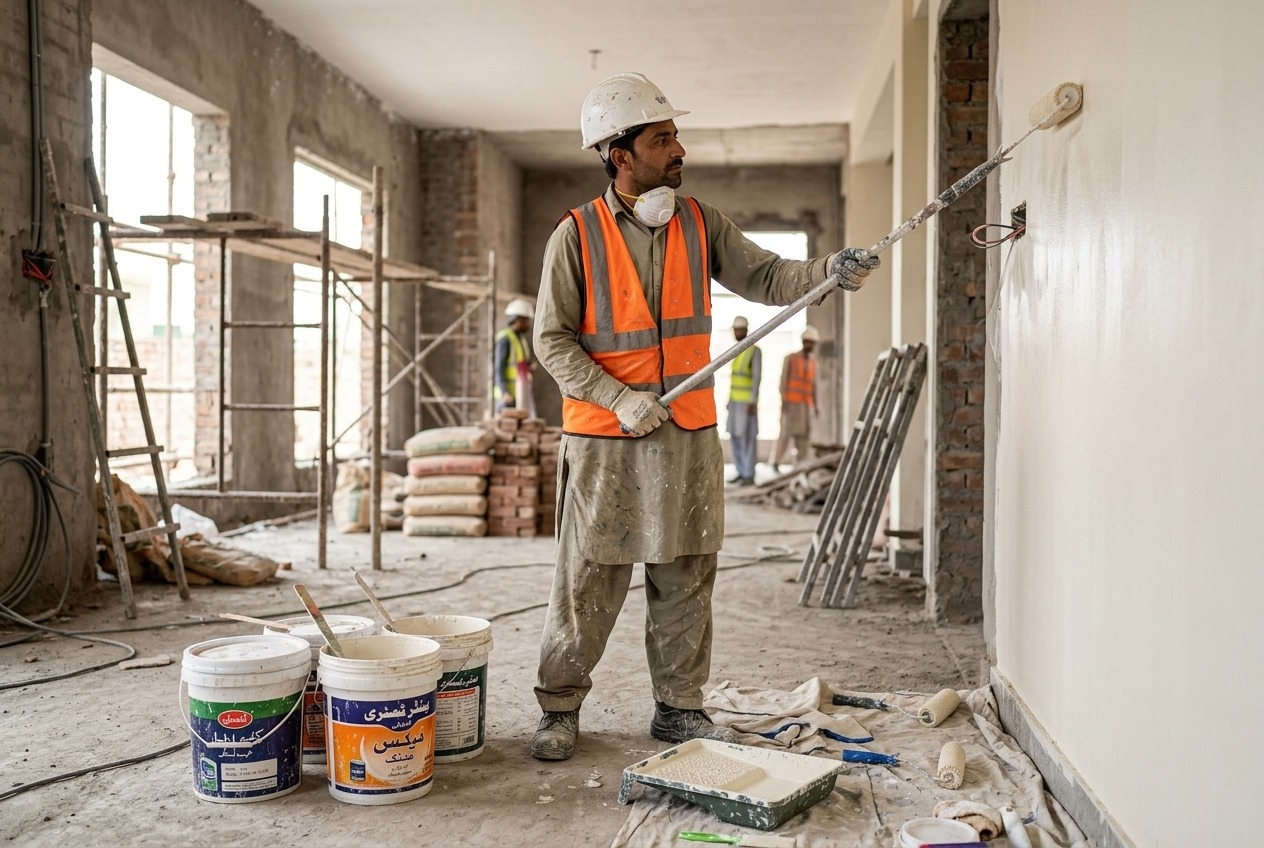
Construction Painter
A Construction Painter applies paint, coatings, and protective finishes to buildings and other structures. They prepare surfaces, repair minor imperfections, select suitable materials, and use painting tools to achieve a smooth and durable finish on walls, ceilings, doors, and exterior surfaces.
- Prepare walls and other surfaces for painting.
- Remove loose paint, dust, and surface stains.
- Fill cracks and smooth uneven areas.
- Apply primers, paints, and protective coatings.
- Paint interior and exterior building surfaces.
- Use brushes, rollers, and spray equipment.
- Mix paint colors according to project requirements.
- Protect floors, windows, and furniture from paint.
- Inspect finished surfaces for quality and coverage.
- Clean tools and maintain a safe work area.
Paints and Coatings
- Understand different types of paints and primers.
- Know the uses of interior and exterior coatings.
- Understand drying times and paint coverage.
Surface Preparation
- Understand sanding, scraping, and filling methods.
- Know how to prepare concrete, wood, and plaster surfaces.
- Understand the importance of clean and dry surfaces.
Construction Safety
- Understand safe handling of paints and solvents.
- Know how to use ladders and scaffolding safely.
- Understand ventilation and protective equipment requirements.
Surface Preparation
- Remove loose paint and surface dirt.
- Fill cracks and smooth rough areas.
- Apply primers to suitable surfaces.
Painting Techniques
- Apply paint evenly using brushes and rollers.
- Use spray equipment when trained.
- Achieve consistent color and finish quality.
Finishing and Maintenance
- Identify uneven coverage and paint defects.
- Touch up damaged or incomplete areas.
- Clean and maintain painting equipment.
Manual Dexterity
- Handle brushes and rollers accurately.
- Apply paint to edges and detailed areas.
- Maintain control when working on different surfaces.
Visual Ability
- Recognize differences in color and finish.
- Notice missed areas and uneven coatings.
- Check surface quality under suitable lighting.
Physical Ability
- Stand and move for extended periods.
- Reach high and low surfaces safely.
- Handle painting tools and materials carefully.
A Construction Painter is practical, patient, detail-oriented, dependable, and comfortable with hands-on work.
They do well at jobs that need:
Attention to Detail: Produces neat and even finishes.
Patience: Completes preparation and painting carefully.
Creativity: Works with colors and decorative finishes.
Discipline: Follows project instructions and safety rules.
Reliability: Completes work within agreed timelines.
Teamwork: Coordinates with other construction workers.
Painting Tools
- Use brushes, rollers, scrapers, and sanding tools.
- Operate paint spray guns when trained.
- Use ladders and approved access equipment.
Surface Preparation Equipment
- Use sanding machines and surface cleaning tools.
- Apply fillers and primers using suitable tools.
- Use masking tape and protective sheets.
Measurement and Safety Equipment
- Use measuring tools to estimate surface areas.
- Wear suitable gloves, goggles, and respirators where required.
- Follow product instructions and safety data sheets.
- Formal education is not always required for entry-level work.
- Vocational training in painting or construction finishing is beneficial.
- Knowledge of paints, primers, and surface preparation.
- Ability to use brushes, rollers, and other painting tools.
- Good hand-eye coordination and attention to detail.
- Understanding of ladder and scaffolding safety.
- Apprenticeship or practical construction experience is valuable.
- Specialized training may be needed for spray painting or industrial coatings.
Construction Painters are needed for new buildings, renovations, repairs, and property maintenance. Work opportunities exist in residential and commercial construction, housing projects, factories, and maintenance companies. Experienced painters may become painting supervisors, finishing contractors, or independent painting business owners.
- Residential construction projects.
- Commercial buildings and office complexes.
- Construction and renovation companies.
- Housing societies and property developers.
- Hotels and shopping centers.
- Schools, hospitals, and public buildings.
- Industrial facilities and warehouses.
- Building maintenance companies.
- Painting and decorating contractors.
- Self-employed painting businesses.
- Basic school education is helpful but not always necessary.
- Vocational training in construction painting.
- Short courses in surface preparation and decorative finishes.
- Training in spray painting techniques.
- Occupational health and safety training.
- Practical apprenticeship with an experienced painter.
- Additional courses in waterproof coatings and protective finishes.
- National Vocational and Technical Training Commission (NAVTTC) affiliated training providers.
- Technical Education and Vocational Training Authority (TEVTA), Punjab.
- Khyber Pakhtunkhwa Technical Education and Vocational Training Authority (KP-TEVTA).
- Sindh Technical Education and Vocational Training Authority (STEVTA).
- Government vocational training institutes offering construction trades.
- Construction skills training centers and private vocational institutes.
- Apprenticeship opportunities with painting and construction contractors.
- Basic painting skills course: PKR 5,000 to 20,000.
- Construction finishing course: PKR 10,000 to 40,000.
- Spray painting training: PKR 10,000 to 35,000.
- Decorative painting course: PKR 10,000 to 40,000.
- Safety training: PKR 5,000 to 20,000.
- Basic tools and protective equipment: PKR 10,000 to 30,000.
- Advanced coatings training: PKR 15,000 to 50,000.
- Scholarships and financial assistance: Eligible learners may receive free or subsidized vocational training through selected government programs and technical training initiatives.