
CAREERS ENCYCLOPEDIA

Electrologist
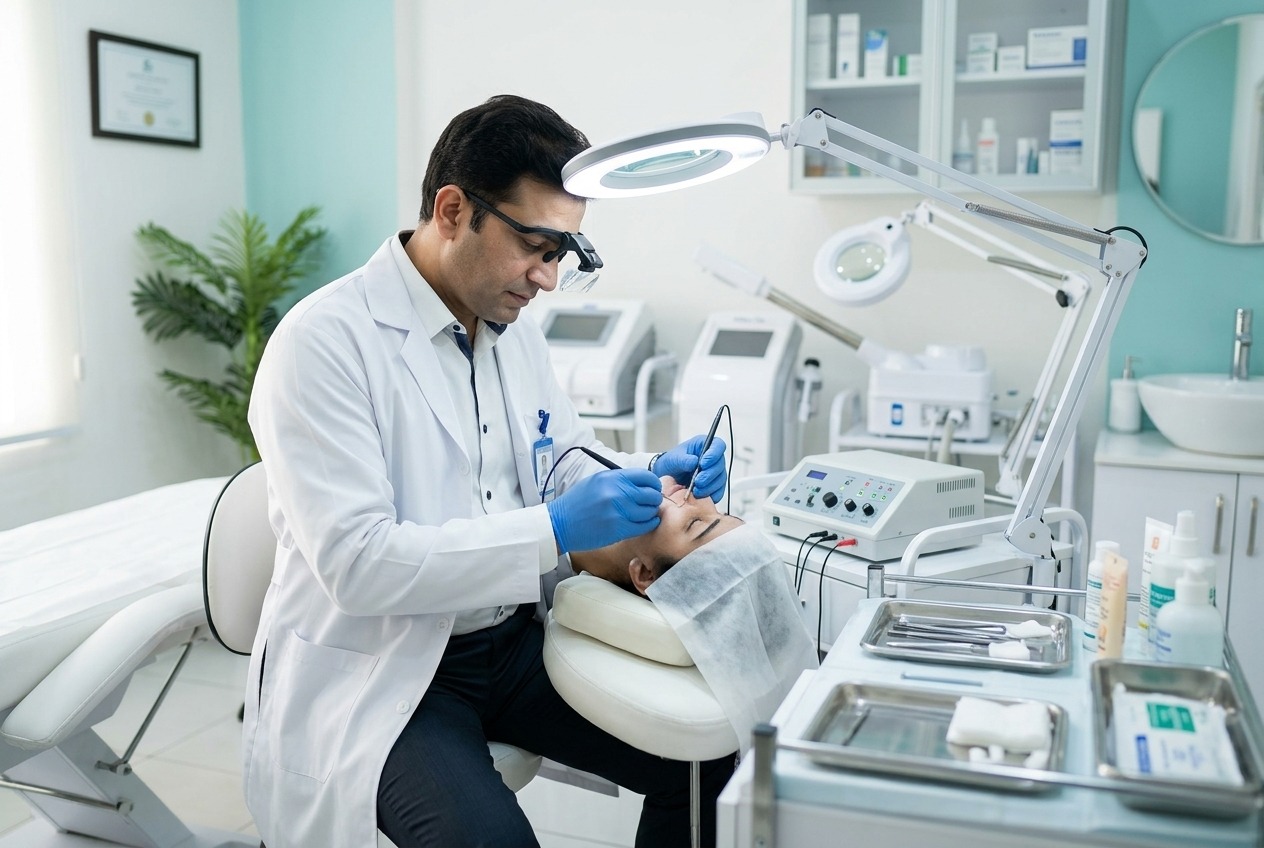
An Electrologist is a trained professional who uses specialized equipment to remove unwanted hair through electrolysis. This method treats individual hair follicles using a small electrical current to achieve permanent hair removal. In Pakistan, electrologists may work in dermatology clinics, aesthetic centers, beauty clinics, and specialized hair removal facilities.
- Examine the treatment area and discuss client needs.
- Explain the electrolysis procedure and expected results.
- Check the client's skin condition before treatment.
- Operate electrolysis equipment safely and accurately.
- Insert a fine probe into individual hair follicles during treatment.
- Follow hygiene and sterilization procedures.
- Monitor the client's comfort and skin response.
- Maintain treatment records and appointment schedules.
- Provide aftercare instructions to clients.
- Clean and maintain treatment equipment.
Hair and Skin Science
- Understand hair growth cycles and hair follicle structure.
- Identify common skin types and conditions.
- Recognize factors that affect hair growth.
Electrolysis Procedures
- Understand the principles of electrical hair removal.
- Learn different electrolysis methods and their uses.
- Know the basic treatment process and limitations.
Safety and Hygiene
- Understand infection prevention and equipment sterilization.
- Recognize possible skin reactions and treatment risks.
- Follow professional hygiene and safety standards.
Treatment Techniques
- Operate electrolysis equipment correctly.
- Apply precise techniques to treat individual hair follicles.
- Adjust treatment procedures according to client needs.
Client Care
- Communicate treatment information clearly.
- Explain preparation and aftercare requirements.
- Maintain client privacy and professional boundaries.
Record Keeping
- Maintain accurate treatment records.
- Schedule appointments and monitor client progress.
- Document skin reactions and treatment outcomes.
Manual Precision
- Use fine instruments with steady hand movements.
- Perform detailed work on small treatment areas.
- Maintain accuracy during lengthy procedures.
Observation
- Notice changes in skin condition during treatment.
- Identify signs of irritation or unexpected reactions.
- Assess whether a client needs further professional evaluation.
Communication
- Understand client concerns and expectations.
- Explain procedures and possible side effects.
- Provide clear aftercare guidance.
People interested in this career enjoy skincare, detailed practical work, and helping clients improve their personal appearance.
They do well at jobs that need:
Precision: Performing careful and accurate procedures.
Patience: Treating individual hair follicles methodically.
Responsibility: Following safety and hygiene standards.
Empathy: Understanding client concerns and discomfort.
Professionalism: Respecting privacy and maintaining ethical conduct.
Electrolysis Equipment
- Professional electrolysis machines.
- Fine treatment probes and sterile disposable supplies.
- Foot pedals and equipment controls where applicable.
Skin Assessment Tools
- Magnifying lamps.
- Examination lights.
- Skin observation tools.
Clinic Management Tools
- Digital appointment scheduling systems.
- Electronic client records.
- Computer-based billing and documentation software.
- Complete relevant education or training in electrolysis and hair removal.
- Study basic skin anatomy, hair growth, and infection control.
- Complete supervised practical training with suitable equipment.
- Learn first aid and procedures for managing treatment reactions.
- Follow applicable healthcare, hygiene, and local regulatory requirements.
- Develop strong communication, precision, and client care skills.
Demand for aesthetic and personal care services may create opportunities for trained electrologists in Pakistan. Employment prospects depend on professional training, practical experience, client trust, location, and the availability of specialized electrolysis services. Electrologists may also develop independent practices where permitted and where appropriate safety standards are met.
- Dermatology clinics.
- Aesthetic and skincare centers.
- Specialized hair removal clinics.
- Beauty and wellness centers offering electrolysis.
- Medical aesthetics facilities.
- Personal care clinics.
- Private electrolysis practices, subject to applicable requirements.
- Training centers offering relevant aesthetic courses.
- Complete Matric or Intermediate education, depending on the training provider's admission requirements.
- Take a recognized course in electrolysis, permanent hair removal, or aesthetic practice.
- Study skin anatomy, hair growth, infection control, and client safety.
- Complete supervised practical sessions using professional equipment.
- Obtain relevant first aid or safety training.
- Continue professional development as techniques and equipment evolve.
NAVTTC: Check for recognized vocational training opportunities related to beauty and personal care.
TEVTA Punjab: Explore relevant vocational courses offered through affiliated training institutes.
Government vocational training institutes: Ask about approved beauty therapy and aesthetic training programs.
Private beauty and aesthetic academies: Check whether they offer dedicated electrolysis training.
Dermatology and aesthetic training centers: Ask about supervised training in permanent hair removal.
Recognized international training providers: Consider specialized electrolysis courses where suitable and accessible.
Basic beauty and skincare courses: PKR 15,000 to 80,000.
Specialized electrolysis training: PKR 40,000 to 200,000, where available.
Advanced aesthetic training: PKR 50,000 to 250,000.
Professional electrolysis equipment: PKR 100,000 to 500,000 or more, depending on quality and features.
Training supplies and hygiene materials: PKR 10,000 to 40,000.
Books and learning materials: PKR 5,000 to 20,000.
Scholarships and financial assistance: Some vocational institutes may offer partial or full fee support, depending on eligibility and available funding.
Government vocational programs: Check current training schemes that may provide subsidized or free courses.