
CAREERS ENCYCLOPEDIA

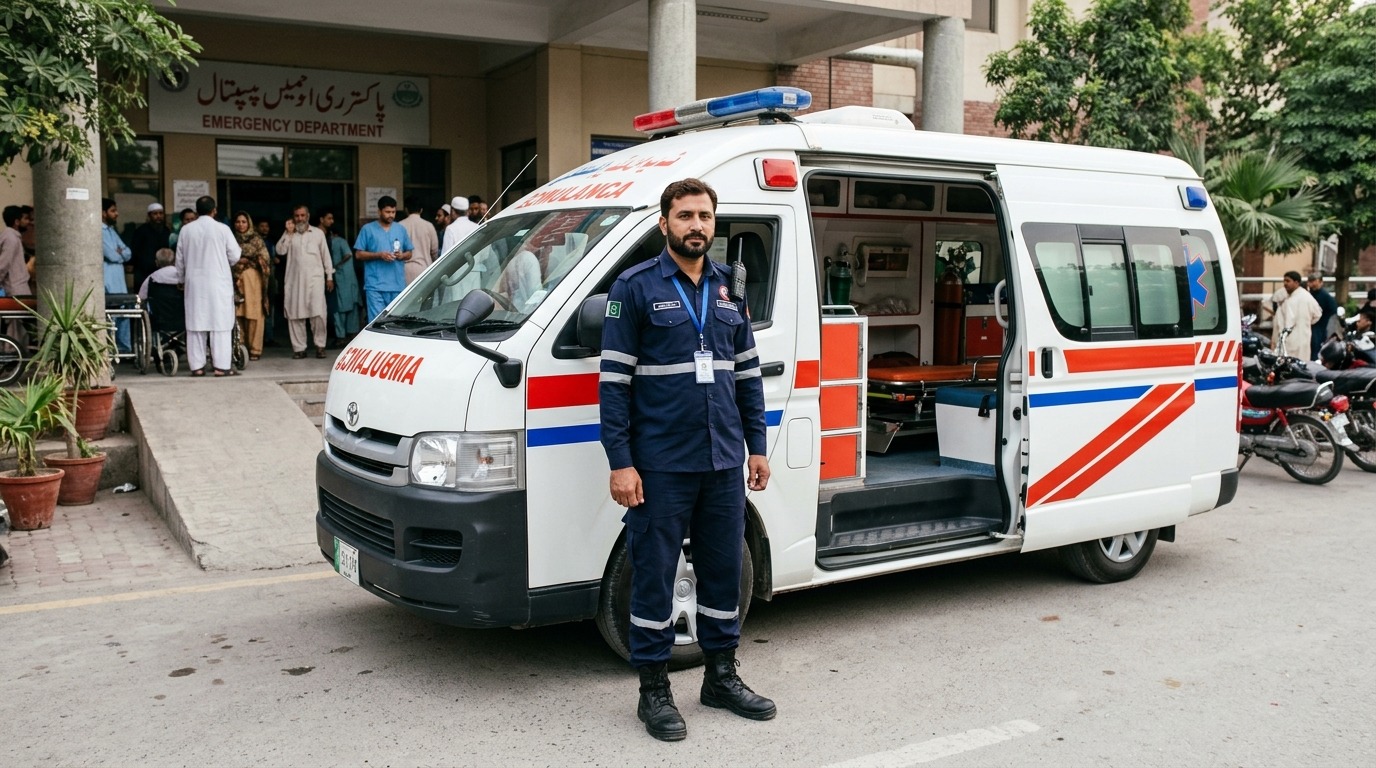
Ambulance Driver
An Ambulance Driver operates emergency vehicles to transport patients safely to hospitals and medical facilities. They drive under urgent conditions, follow road safety procedures and assist medical teams during patient transport.
- Drive ambulances safely
- Transport patients to medical facilities
- Follow emergency driving procedures
- Select suitable routes
- Check vehicle condition
- Maintain ambulance cleanliness
- Assist with patient movement when required
- Communicate with emergency teams
- Report vehicle problems
Emergency Driving
- Safe emergency driving
- Traffic rules
- Emergency vehicle procedures
Vehicle Maintenance
- Vehicle safety checks
- Tires and fluid levels
- Basic mechanical problems
Patient Transport
- Safe patient movement
- Ambulance equipment
- Basic emergency procedures
Emergency Driving
- Drive safely under pressure
- Navigate busy roads
- Select efficient routes
Vehicle Care
- Perform routine vehicle checks
- Identify basic vehicle problems
- Maintain vehicle readiness
Communication
- Communicate with medical teams
- Use radio or phone systems
- Provide clear location information
Controlled Movement
- Control the ambulance safely
- React quickly to road conditions
Attention
- Monitor traffic and surroundings
- Stay focused during emergencies
Decision Making
- Choose safe routes
- Respond appropriately to changing conditions
People interested in this work like activities that include driving, emergency services, helping people, and practical work.
They do well at jobs that need:
- Calmness Under Pressure
- Responsibility
- Alertness
- Patience
- Teamwork
Navigation Systems
- GPS devices
- Digital navigation applications
Communication Equipment
- Two-way radios
- Emergency communication systems
Ambulance Equipment
- Patient transport equipment
- Vehicle monitoring systems
- Matric or Intermediate education
- Valid driving license for the required vehicle category
- Professional driving training
- First aid or emergency response training
- Medical and physical fitness may be required
Ambulance Drivers can work with hospitals, rescue services, emergency medical organizations and private healthcare providers. Opportunities are available in emergency response and patient transport services.
- Hospitals
- Rescue services
- Emergency medical services
- Private ambulance companies
- Government healthcare departments
- Charitable healthcare organizations
- Clinics and medical centers
- Matric or Intermediate
- Valid professional driving license
- First aid training
- Emergency response training
- Ambulance driver or patient transport training
- Rescue training institutions
- Government emergency response training centers
- NAVTTC affiliated institutes
- TEVTA institutes
- Pakistan Red Crescent training centers
- Private first aid and emergency training centers
- Professional driving course: PKR 15,000 to 60,000
- First aid course: PKR 5,000 to 25,000
- Emergency response training: PKR 10,000 to 50,000
- Ambulance driver training: PKR 15,000 to 70,000
- Driving license and testing fees: PKR 2,000 to 10,000
- Government funded training may be free
- Skills training scholarships may cover 50 percent to 100 percent of course fees