
CAREERS ENCYCLOPEDIA

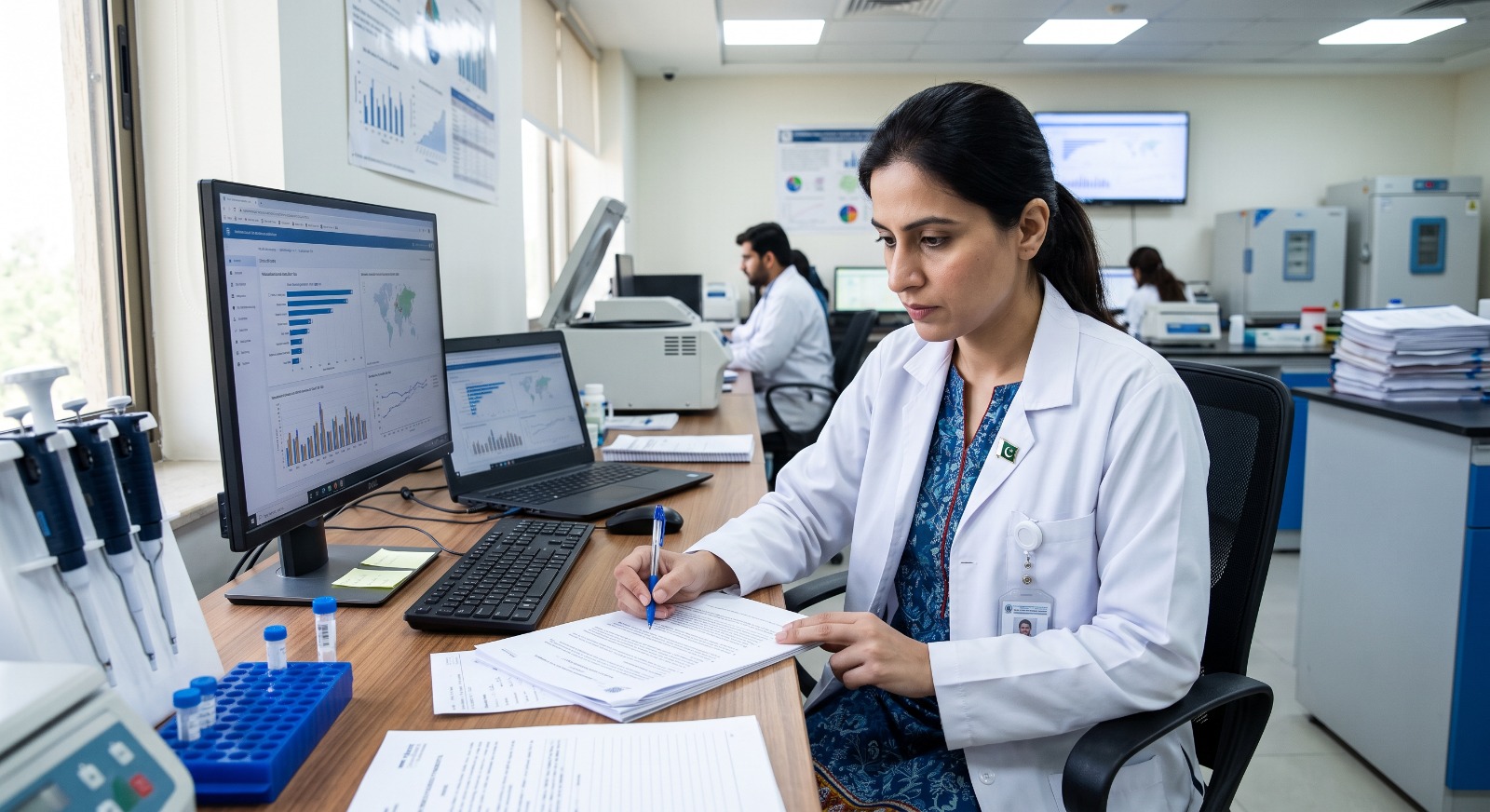
Epidemiologist
An Epidemiologist studies the spread, causes, and patterns of diseases and health conditions in populations. They collect and analyze health data, investigate disease outbreaks, identify risk factors, and support public health programs to prevent and control diseases.
Career Cluster Tag:
On The Job You Would:
- Collect and analyze health data
- Study disease patterns and trends
- Investigate disease outbreaks
- Identify risk factors for diseases
- Monitor infectious and non infectious diseases
- Design and support public health studies
- Conduct field investigations
- Prepare epidemiological reports
- Evaluate disease prevention programs
- Work with healthcare and public health teams
- Provide evidence for health policies and programs
- Communicate research findings
- Maintain accurate research and health records
Knowledge
- Epidemiology
- Public health
- Biostatistics
- Disease transmission
- Research methods
- Human biology
- Infectious diseases
- Health statistics
- Environmental health
- Health surveillance
- Disease prevention
- Public health policy
Skills
- Data collection
- Statistical analysis
- Research
- Disease investigation
- Health surveillance
- Report writing
- Scientific communication
- Data interpretation
- Field research
- Problem solving
- Teamwork
- Computer skills
Abilities
- Analyze large health datasets
- Identify disease patterns and trends
- Investigate possible sources of disease outbreaks
- Interpret statistical findings
- Design and evaluate health studies
- Communicate scientific information clearly
- Work effectively during public health investigations
- Make evidence based recommendations
Personality
- Analytical
- Curious
- Detail oriented
- Responsible
- Patient
- Organized
- Objective
- Logical
- Research oriented
- Team oriented
Technology
- Statistical analysis software
- Epidemiological databases
- Geographic information systems
- Electronic health records
- Health surveillance systems
- Data visualization tools
- Laboratory information systems
- Spreadsheet and database software
Entry Requirements
- Intermediate education with science subjects is recommended
- A bachelor degree in public health, biological sciences, medicine, statistics, or a related field is useful
- A masters degree in epidemiology or public health is commonly required for professional epidemiologist roles
- Research and data analysis experience is valuable
- Knowledge of statistics and research methods is important
Job Outlook
Epidemiologists can work in government health departments, hospitals, research institutions, universities, laboratories, and international health organizations. Career opportunities are influenced by public health needs, disease surveillance programs, research activity, and healthcare priorities.
Where can you work?
- Government health departments
- Public health organizations
- Hospitals
- Medical research institutes
- Universities
- Diagnostic laboratories
- Disease control programs
- Non government organizations
- International health organizations
- Pharmaceutical companies
- Healthcare research organizations
- Community health programs
Education
- Matric or equivalent
- Intermediate with science subjects
- Bachelor degree in Public Health, Biology, Medicine, Statistics, or a related field
- Master degree in Epidemiology or Public Health
- Research and field training
- Continuing professional education
Where can you study?
- Public health universities
- Medical universities
- Public and private universities
- Schools of public health
- Departments of epidemiology
- Departments of biological sciences
- Research and health sciences institutes
Expenses & Scholarships
- Bachelor degree in public health or related field: PKR 50,000 to 300,000 per year approximately
- Master degree in epidemiology or public health: PKR 80,000 to 400,000 per year approximately
- Government scholarships: May provide partial or full financial support
- Need based scholarships: May cover part or all of tuition fees
- Merit scholarships: May cover 25 percent to 100 percent of tuition fees
- Research scholarships: May provide tuition support and research funding
- University financial aid: May include fee reductions or installment plans
Similar Occupations: