
CAREERS ENCYCLOPEDIA

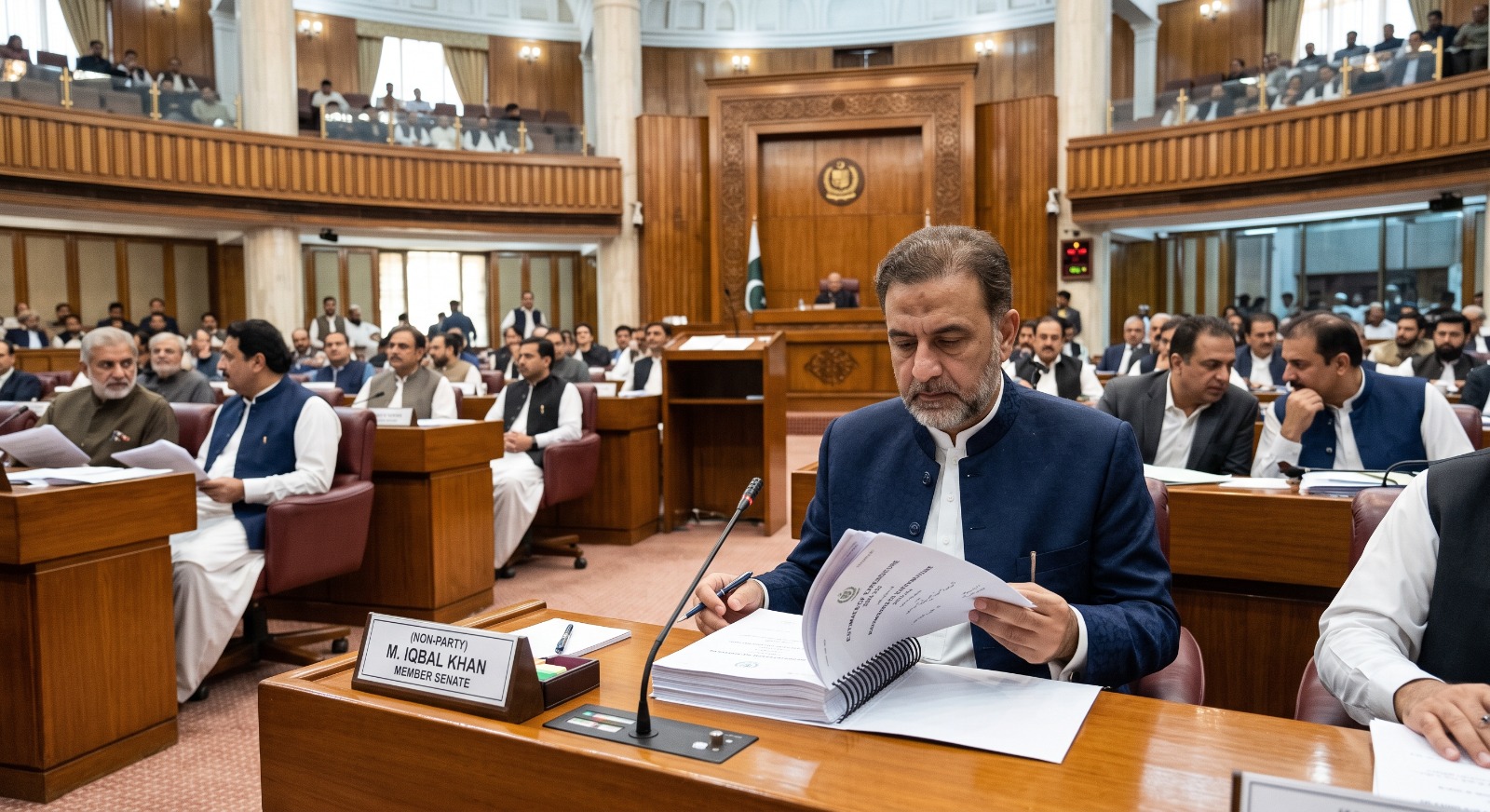
Legislator
A Legislator is an elected or appointed public representative who participates in making, reviewing, and amending laws. Legislators study public issues, discuss proposed laws, represent the interests of their constituents, and take part in parliamentary or legislative proceedings.
Career Cluster Tag:
On The Job You Would:
- Study proposed laws and policy matters
- Participate in legislative sessions
- Debate bills and public issues
- Propose or support legislation
- Review and amend proposed laws
- Represent constituents and address their concerns
- Meet with community members and organizations
- Participate in parliamentary committees
- Review government policies and programs
- Ask questions about public administration
- Communicate with government departments
- Attend public and official meetings
- Maintain records of legislative activities
Knowledge
- Constitutional law
- Legislative procedures
- Public policy
- Government structure
- Political systems
- Economics
- Public administration
- Current affairs
- Social issues
- Legal principles
- Parliamentary procedures
Skills
- Public speaking
- Communication
- Research
- Policy analysis
- Negotiation
- Debate
- Leadership
- Problem solving
- Decision making
- Teamwork
- Report writing
- Community engagement
Abilities
- Understand complex public issues
- Analyze proposed laws and policies
- Communicate ideas clearly
- Represent constituent concerns
- Work with people from different backgrounds
- Evaluate policy information
- Participate effectively in debates
- Manage multiple responsibilities
- Build professional relationships
Personality
- Responsible
- Ethical
- Confident
- Communicative
- Patient
- Disciplined
- Open minded
- Community oriented
- Organized
- Team oriented
Technology
- Parliamentary information systems
- Legislative databases
- Document management systems
- Video conferencing platforms
- Email and communication tools
- Research databases
- Social media platforms
- Office productivity software
Entry Requirements
- Educational requirements vary according to the legislative position and applicable election laws
- Knowledge of government, law, public policy, and current affairs is useful
- Candidates must meet the legal eligibility requirements for the relevant legislative office
- Political or community experience may be helpful
- Strong communication and public speaking skills are important
Job Outlook
Legislative opportunities depend on elections, appointments, political institutions, and the structure of government. Legislators may serve at national, provincial, or local levels depending on the applicable system.
Where can you work?
- National Parliament
- Provincial assemblies
- Local government institutions
- Parliamentary committees
- Legislative offices
- Public policy organizations
- Government offices
- Constituency offices
- Political and civic organizations
- Public service institutions
Education
- Bachelor degree in Political Science
- Bachelor degree in Law
- Bachelor degree in Public Administration
- Bachelor degree in International Relations
- Bachelor degree in Economics
- Bachelor degree in Sociology
- Other relevant degree programs
Where can you study?
- Public universities
- Private universities
- Law colleges
- Departments of Political Science
- Schools of Public Administration
- Departments of International Relations
- Institutes offering public policy programs
Expenses & Scholarships
- Bachelor degree in public sector university: PKR 40,000 to 150,000 per year approximately
- Bachelor degree in private university: PKR 100,000 to 400,000 per year approximately
- Books and study materials: PKR 10,000 to 30,000 per year
- Estimated total education cost: PKR 50,000 to 430,000 per year
- Government scholarships: May provide partial or full financial support
- Need based scholarships: May cover part or all of tuition fees
- Merit scholarships: May cover 25 percent to 100 percent of tuition fees
- University financial aid: May include fee reductions or installment plans
- Public sector universities may offer lower cost study options
Similar Occupations: