
CAREERS ENCYCLOPEDIA

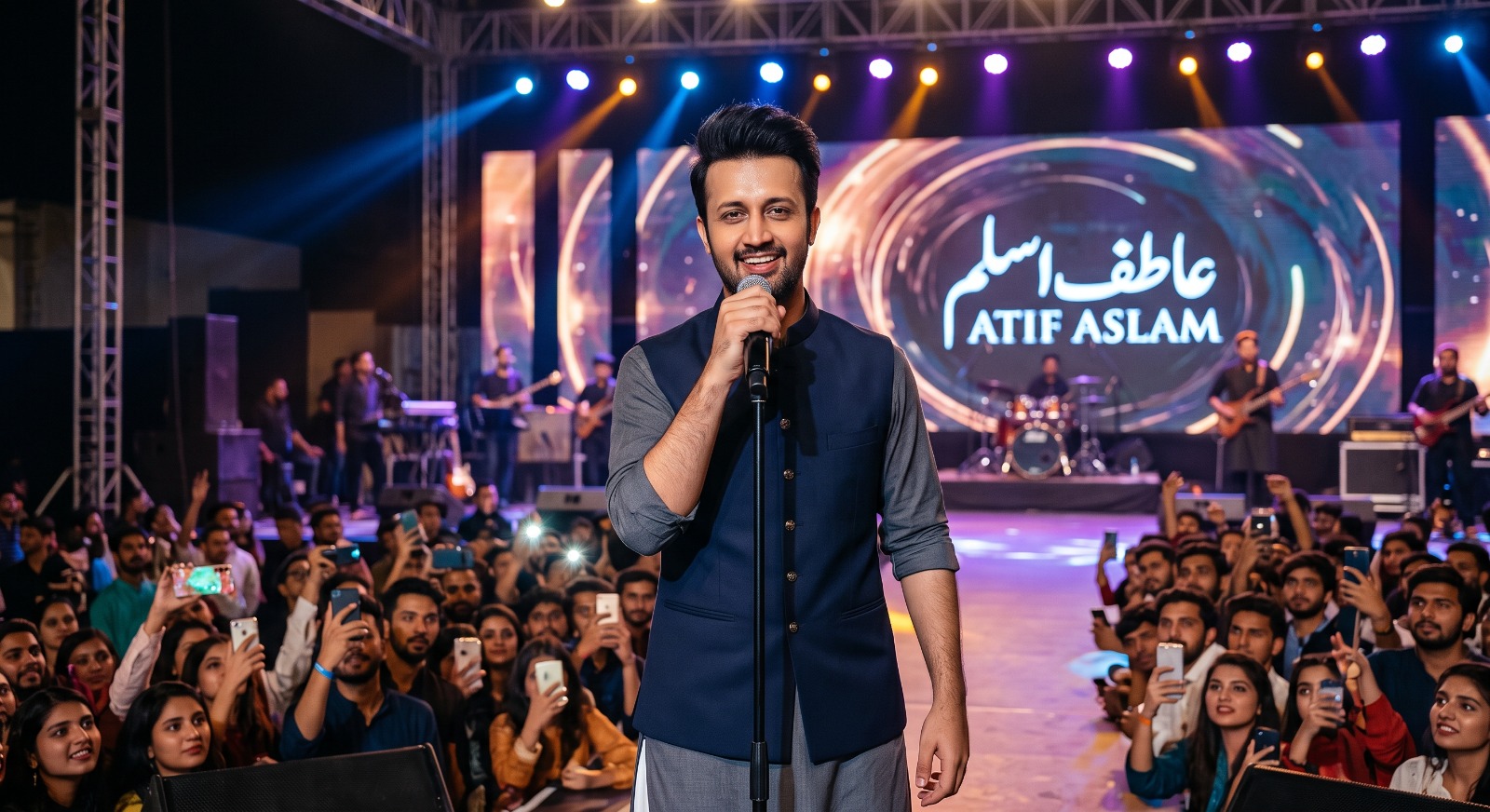
Singer
A Singer performs songs using their voice for live audiences, recordings, television, films, events, and digital media. Singers may work independently or with bands, music producers, studios, and entertainment organizations.
- Practice and rehearse songs regularly
- Perform songs in different styles
- Record vocals in music studios
- Work with musicians and music producers
- Prepare for concerts and live performances
- Maintain vocal health and develop singing techniques
- Learn lyrics and musical arrangements
- Participate in television, film, and digital media projects
- Knowledge of music theory
- Knowledge of vocal techniques
- Knowledge of musical styles
- Knowledge of rhythm and melody
- Knowledge of stage performance
- Basic knowledge of recording and audio production
- Singing and vocal performance
- Breath control
- Voice modulation
- Stage performance
- Musical interpretation
- Memorization
- Communication
- Teamwork
- Ability to control and project the voice
- Ability to maintain pitch and rhythm
- Ability to learn songs quickly
- Ability to perform confidently before audiences
- Ability to adapt to different musical styles
- Ability to work under performance pressure
- Confident
- Creative
- Disciplined
- Expressive
- Patient
- Hardworking
- Self motivated
- Microphones
- Audio recording equipment
- Digital audio workstations
- Music production software
- Mixing equipment
- Sound systems
- Digital music platforms
No specific formal education is required to become a singer. Vocal training, music education, regular practice, and practical performance experience can help develop professional skills.
Singers can find opportunities in live performances, music recording, television, film, radio, advertising, theatre, events, and digital media. Experienced singers may also work as independent artists, session singers, or vocal instructors.
- Music studios
- Concert venues
- Television channels
- Film and television productions
- Radio stations
- Theatre companies
- Event management companies
- Advertising agencies
- Hotels and entertainment venues
- Digital media platforms
- Self employed as an independent artist
- Certificate in Music
- Diploma in Music
- Bachelor degree in Music
- Vocal training courses
- Short courses in singing and performing arts
- National College of Arts
- University of the Punjab
- National Academy of Performing Arts
- Pakistan National Council of the Arts
- Private music academies and vocal training institutes
Training expenses vary depending on the institute, course, and duration. Private music academies may charge higher fees, while some public institutions offer more affordable programs. Scholarships and financial assistance may be available for eligible students.