CAREERS ENCYCLOPEDIA

Poet
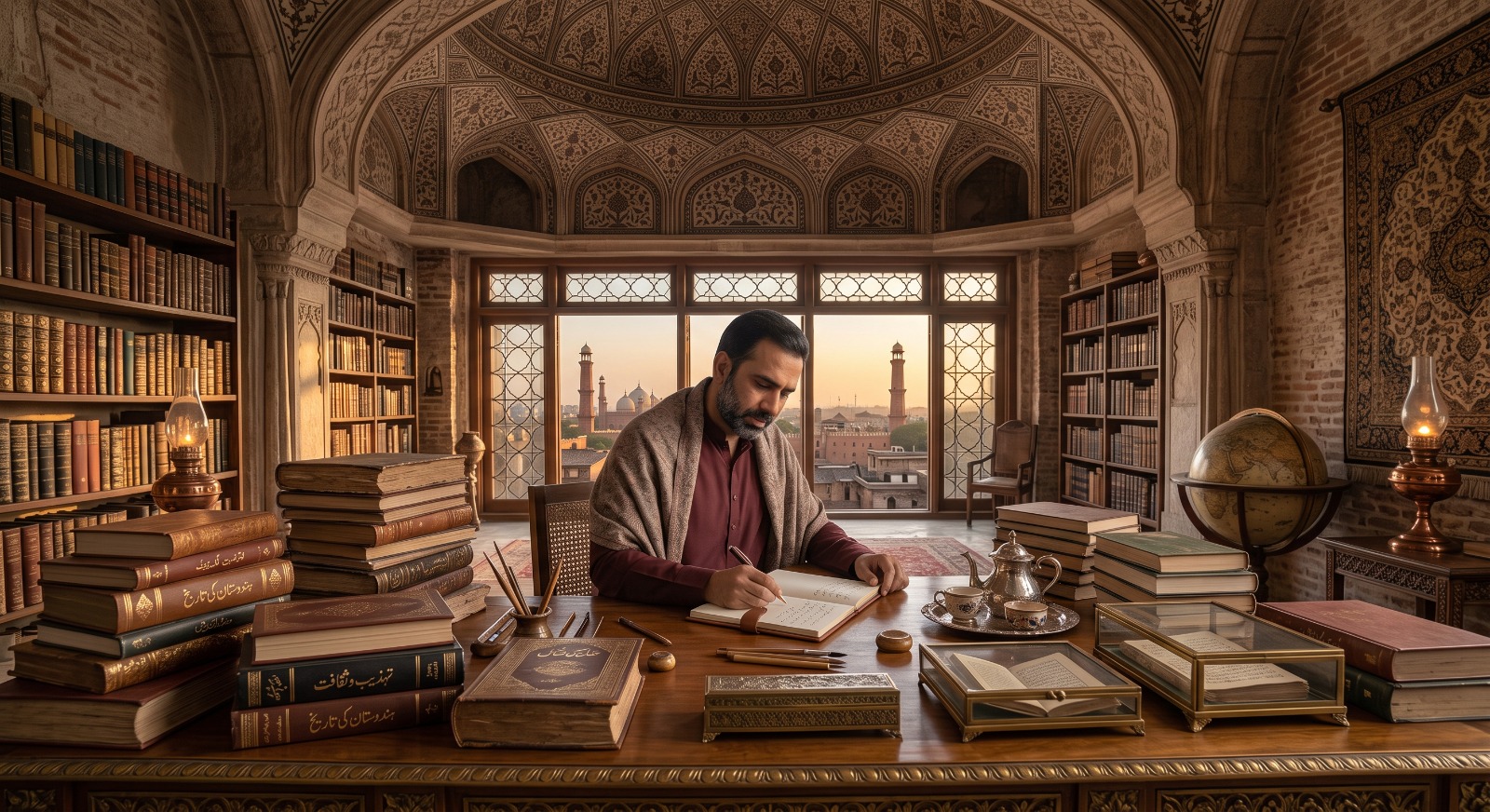
A Poet creates literary works using language, rhythm, imagery, emotion, and creative expression. Poets may write poems for books, magazines, newspapers, websites, performances, cultural events, and digital media.
- Write poems on different themes
- Develop ideas and creative concepts
- Research topics for literary work
- Use language and imagery creatively
- Revise and edit poems
- Read and study literature
- Participate in poetry readings and literary events
- Work with editors and publishers
- Publish poetry through print or digital platforms
- Perform or present poetry when required
- Poetry techniques
- Literature
- Language and grammar
- Literary forms
- Rhythm and meter
- Creative writing
- Cultural studies
- Storytelling
- Literary history
- Publishing practices
- Creative writing
- Poetry writing
- Editing
- Research
- Language use
- Storytelling
- Public speaking
- Reading and interpretation
- Content development
- Communication
- Ability to express ideas creatively
- Ability to use language effectively
- Ability to observe and interpret experiences
- Ability to develop original ideas
- Ability to create imagery and metaphors
- Ability to revise written work
- Ability to understand different audiences
- Ability to work independently
- Creative
- Imaginative
- Observant
- Thoughtful
- Patient
- Expressive
- Curious
- Open minded
- Self motivated
- Persistent
- Word processing software
- Digital publishing platforms
- Content management systems
- Online research tools
- Social media platforms
- Digital writing tools
- Audio and video recording equipment
- Online literary platforms
There is no specific formal educational requirement to become a Poet. Strong language skills, creativity, knowledge of literature, and regular writing practice are important. A portfolio of original work and participation in literary activities can help build professional opportunities.
Poets can publish their work through books, magazines, newspapers, websites, literary journals, and digital platforms. They may also participate in literary events, poetry readings, educational programs, cultural projects, and creative media. Income and opportunities can vary depending on publications, commissions, performances, teaching, and other professional activities.
- Publishing companies
- Literary magazines
- Newspapers
- Educational institutions
- Cultural organizations
- Media companies
- Advertising agencies
- Digital media platforms
- Literary festivals and events
- Freelance and independent work
Formal education is not always required. Students can study English, Literature, Creative Writing, Urdu, or related subjects to develop language and literary skills. Regular writing practice, reading, workshops, and publication of original work can also support development as a Poet.
- Quaid i Azam University
- University of the Punjab
- National University of Modern Languages
- University of Karachi
- University of Peshawar
- Government College University Lahore
- Other recognized universities offering Literature, English, Urdu, or Creative Writing programs in Pakistan
Expenses depend on the selected education or training program. Degree programs involve tuition, books, and other academic costs, while writing workshops and short courses may have lower costs. Students can check universities and literary institutions for merit based scholarships, need based financial aid, fee concessions, and other student support programs.