
CAREERS ENCYCLOPEDIA

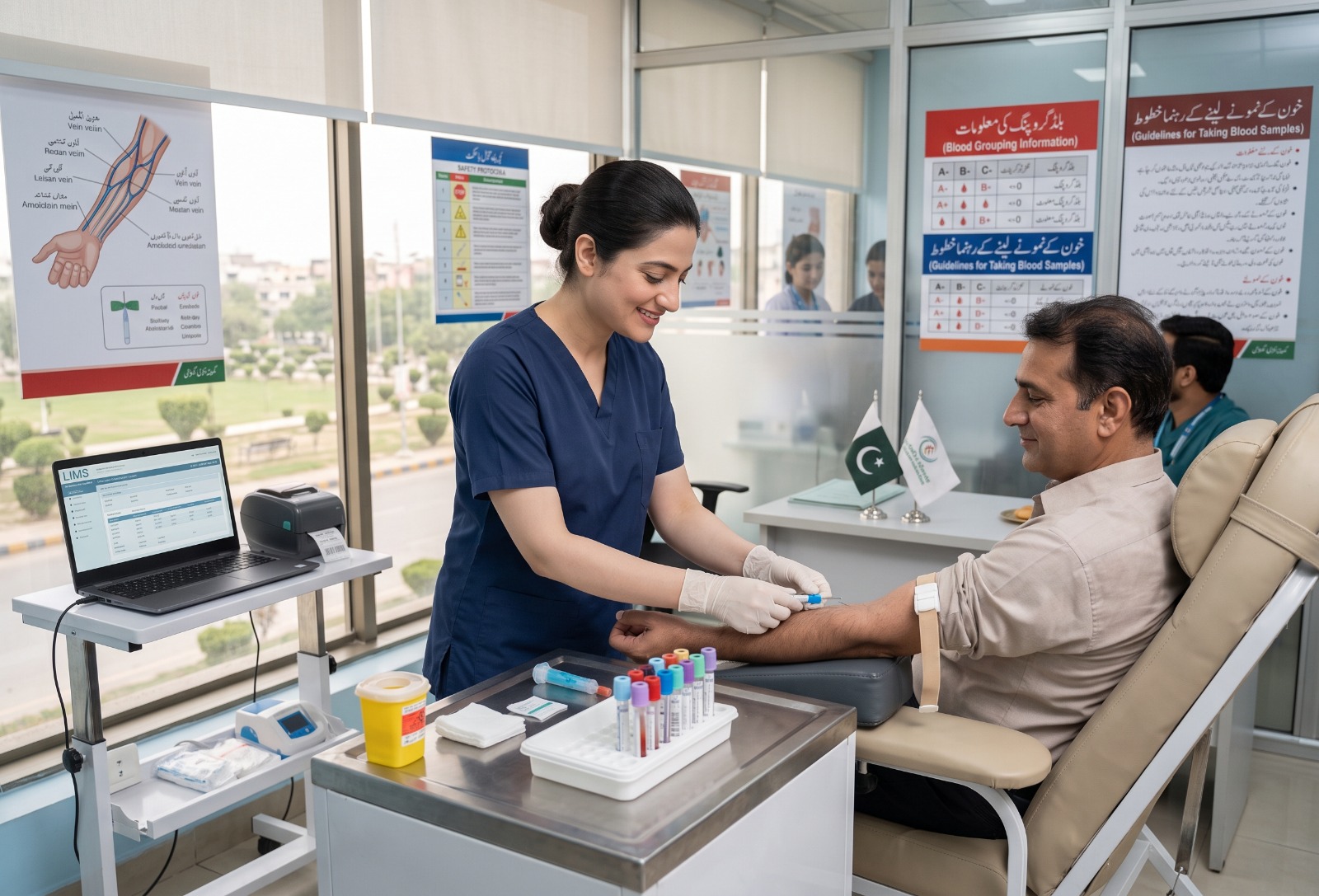
Phlebotomist
A Phlebotomist is a healthcare professional who collects blood samples from patients for laboratory testing, diagnosis, and medical procedures. They prepare patients, perform blood draws safely, label and handle samples correctly, and maintain hygiene and safety standards. Phlebotomists work in hospitals, diagnostic laboratories, blood banks, clinics, and healthcare centers.
Career Cluster Tag:
On The Job You Would:
- Collect blood samples using proper venipuncture techniques
- Prepare patients and explain the blood collection procedure
- Label, store, and transport blood samples correctly
- Maintain sterile equipment and follow infection-control procedures
- Record patient information and report collection issues
Knowledge
- Human anatomy and basic physiology
- Blood collection and specimen handling
- Infection control and laboratory safety
- Basic medical terminology
Skills
- Venipuncture and blood collection
- Patient communication and care
- Sample labeling and handling
- Infection control and workplace safety
Abilities
- Ability to work carefully and accurately
- Ability to remain calm with nervous patients
- Attention to detail when handling samples and records
Personality
- Calm and patient
- Compassionate and professional
- Careful and detail-oriented
- Responsible and hygienic
Technology
- Blood collection tubes and venipuncture equipment
- Tourniquets and safety needles
- Centrifuges and specimen handling equipment
- Laboratory Information Management Systems (LIMS)
Entry Requirements
- Matriculation or Intermediate, preferably with Biology
- Certificate or Diploma in Phlebotomy or Medical Laboratory Technology
- Practical clinical training is highly beneficial
- Basic first aid and infection-control training is an advantage
Job Outlook
Demand for Phlebotomists remains strong due to the growing need for laboratory testing, diagnostic services, blood banks, and healthcare facilities. Opportunities are available in hospitals, diagnostic laboratories, clinics, blood collection centers, and private healthcare organizations.
Where can you work?
- Hospitals and medical centers
- Diagnostic and pathology laboratories
- Blood banks and collection centers
- Private clinics
- Research and healthcare organizations
Education
- Certificate in Phlebotomy
- Diploma in Medical Laboratory Technology
- Associate Degree in Medical Laboratory Technology
- BS Medical Laboratory Technology for broader laboratory careers
Where can you study?
- Government and private medical colleges
- Allied health sciences institutes
- Punjab Medical Faculty-affiliated institutes
- NAVTTC-affiliated healthcare training centers
- TEVTA healthcare training institutes
Expenses & Scholarships
Phlebotomy certificate courses generally cost between Rs. 10,000 and Rs. 60,000, while medical laboratory diploma programs may cost around Rs. 30,000–150,000 per year. Government and vocational institutes may offer subsidized or free training. Scholarships and financial assistance may be available through HEC, provincial programs, NAVTTC, and individual institutions.
Similar Occupations: