
CAREERS ENCYCLOPEDIA

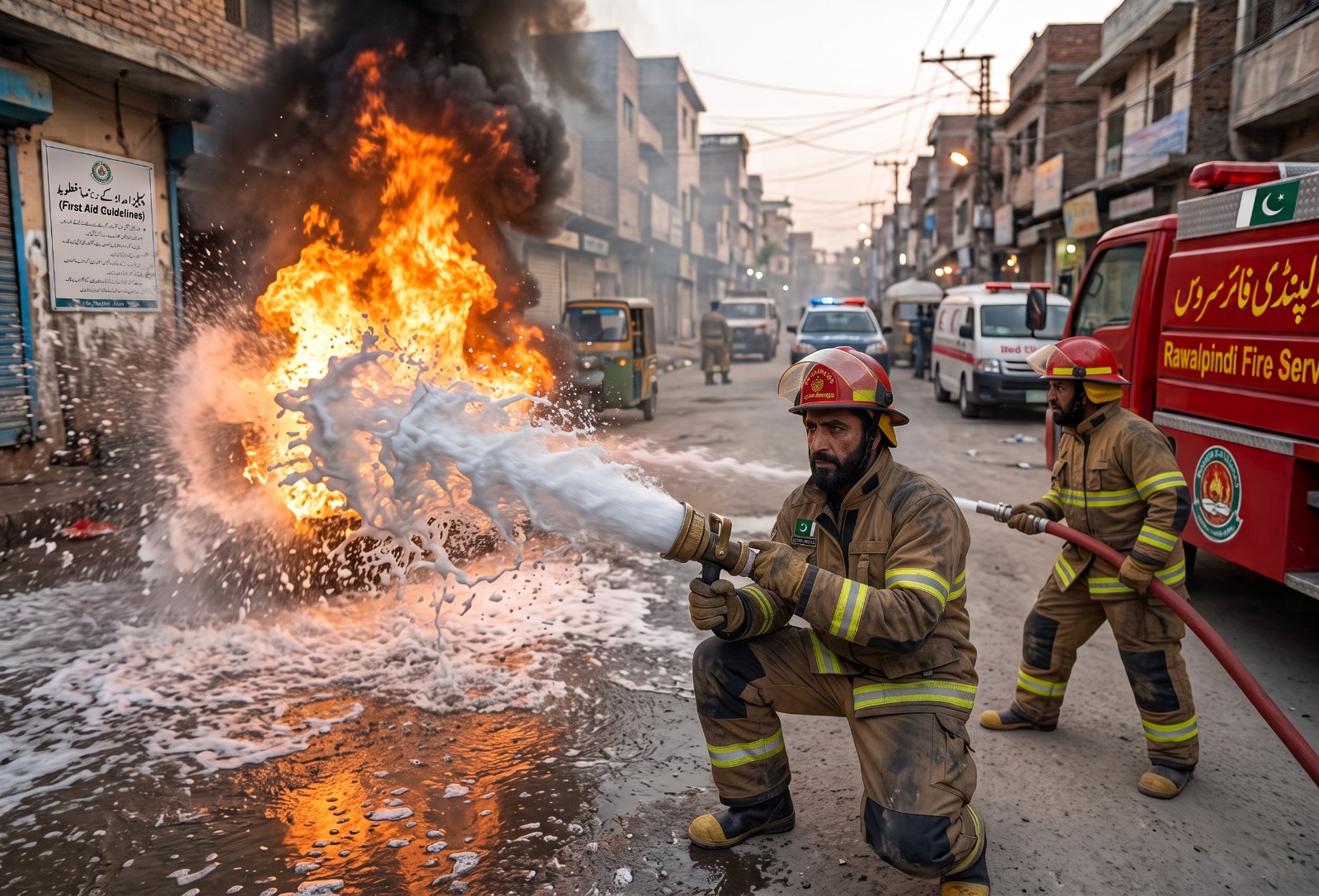
Firefighter
A Firefighter responds to fires, accidents, and other emergencies to protect people, property, and the environment. They extinguish fires, rescue people from dangerous situations, provide basic emergency assistance, and help prevent fires through inspections and safety awareness. Firefighters work for government emergency services, airports, industrial facilities, and private organizations.
Career Cluster Tag:
On The Job You Would:
- Respond to fires, accidents, and emergency calls
- Rescue people and animals from dangerous situations
- Operate firefighting equipment and vehicles
- Provide basic first aid and emergency assistance
- Inspect buildings and educate communities about fire safety
Knowledge
- Fire prevention and firefighting techniques
- Emergency response and rescue procedures
- First aid and basic medical response
- Fire safety rules and hazardous materials
Skills
- Fire suppression and rescue techniques
- Emergency communication and teamwork
- First aid and basic life support
- Equipment handling and incident response
Abilities
- Strong physical fitness and stamina
- Ability to remain calm during emergencies
- Quick decision-making and problem-solving
- Ability to work in dangerous and stressful environments
Personality
- Brave and disciplined
- Calm and responsible
- Team-oriented and dependable
- Helpful and service-minded
Technology
- Fire engines and water pumps
- Fire hoses, extinguishers, and breathing apparatus
- Thermal imaging cameras
- Two-way radios and emergency communication systems
Entry Requirements
- Matriculation or Intermediate, depending on the position
- Meet required age, height, physical fitness, and medical standards
- Pass written, physical, medical, and interview assessments
- Complete professional firefighter and emergency response training
Job Outlook
Firefighters are needed by government emergency services, airports, industrial facilities, housing societies, and large commercial organizations. Demand is also supported by increasing awareness of workplace safety, disaster preparedness, and emergency response.
Where can you work?
- Rescue and emergency services
- Airports and aviation organizations
- Industrial and manufacturing facilities
- Government departments and municipalities
- Private security and fire safety companies
Education
- Matriculation or Intermediate
- Certificate or Diploma in Fire Safety and Emergency Management
- Professional firefighting and rescue training
- Advanced courses in disaster management or occupational safety
Where can you study?
- Rescue 1122 training institutions
- Civil Defence training centers
- National Institute of Fire Technology, Islamabad
- NAVTTC-affiliated vocational training institutes
- TEVTA technical and vocational institutes
Expenses & Scholarships
Fire safety and emergency training programs generally cost between Rs. 10,000 and Rs. 100,000, depending on the course and institution. Government training programs through Rescue 1122, Civil Defence, NAVTTC, and TEVTA may be free or subsidized. Scholarships and stipends may also be available for eligible trainees
Similar Occupations: