
CAREERS ENCYCLOPEDIA

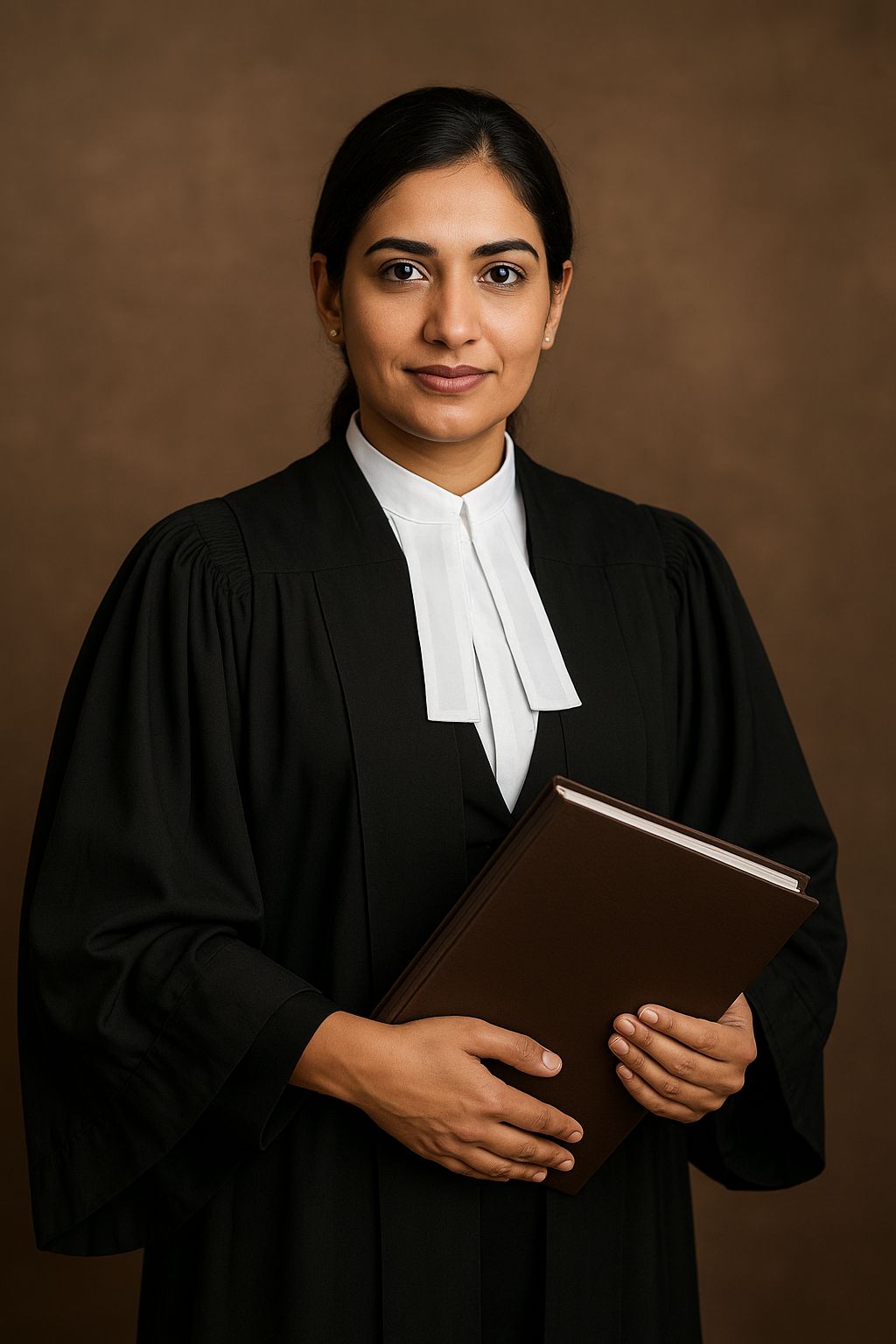
Lawyer
A Lawyer (also known as an Advocate in Pakistan) is a legal professional who represents clients in courts, provides legal advice, drafts contracts, and ensures justice is served according to the law. In Pakistan, lawyers play a crucial role in civil, criminal, constitutional, family, and corporate law cases. They work independently, in law firms, or with government departments
<ul> <li>Represent clients in civil and criminal courts.</li> <li>Draft legal documents, contracts, and agreements.</li> <li>Provide legal advice to individuals and businesses.</li> <li>Interpret and apply laws, rulings, and regulations.</li> <li>Conduct legal research and prepare case strategies.</li> <li>Negotiate settlements and resolve disputes.</li> <li>Appear in lower courts, High Courts, and Supreme Court depending on license level.</li> <li>Assist in drafting wills, property transfers, and family agreements.</li> <li>Advocate for justice, human rights, and legal reforms.</li> </ul>
- Constitution of Pakistan and relevant laws
- Civil, criminal, and family law
- Contract and corporate law
- Legal drafting and documentation
- Procedures of civil and criminal courts
- Legal ethics and professional conduct
- Case law and precedents
- Strong analytical and research skills
- Public speaking and courtroom advocacy
- Drafting legal documents
- Negotiation and conflict resolution
- Time management and multitasking
- Critical thinking and logical reasoning
- Client handling and advisory skills
- Ability to argue effectively in court
- Capacity to interpret complex legal texts
- Skill in building strong client relationships
- Ability to remain calm under pressure
- Quick thinking and persuasive communication
- Confidence to deal with judges and jury
- Confident and assertive
- Detail-oriented and analytical
- Ethical and responsible
- Persuasive and articulate
- Patient and resilient
- Good listener and empathetic
- Microsoft Office (Word, Excel, PowerPoint)
- Legal research databases (PLD, SCC, Manupatra, Westlaw, LexisNexis)
- Email and professional communication tools
- Online court filing systems (where applicable)
- Case management software
- Bachelor of Laws (LLB) – 5 years (HEC recognized university)
- Passing Law-GAT exam (Law Graduate Assessment Test by HEC)
- Bar Council registration (Provincial Bar Council or Pakistan Bar Council)
- Enrollment as an Advocate in lower courts initially
- Further experience needed for High Court and Supreme Court practice
- High demand in private practice, law firms, and corporate sector.
- Opportunities in government departments (Attorney General Office, FIA, NAB, Police Legal Branch).
- NGOs and international organizations require legal advisors.
- Scope in family law, property disputes, corporate law, and taxation law.
- Competition is high; networking and reputation matter a lot.
- Private law firms and chambers
- High Courts and Supreme Court
- Corporate sector (legal departments of banks, telecoms, companies)
- Government departments and ministries
- NGOs and international organizations
- Independent legal consultancy
- LLB (Bachelor of Laws – 5 years)
- LLM (Master of Laws – optional, specialization in corporate, criminal, constitutional law)
- Diplomas in Human Rights, Intellectual Property, Corporate Law (optional)
- Judicial exams (for becoming a judge after experience)
- Punjab University Law College (PUC), Lahore
- Quaid-i-Azam University School of Law, Islamabad
- International Islamic University (IIUI), Islamabad
- Karachi University, School of Law
- Lahore University of Management Sciences (LUMS – Shaikh Ahmad Hassan School of Law)
- Private universities like SZABIST, Bahria, and Riphah
- Public universities: Rs. 40,000 – Rs. 100,000 per year
- Private universities: Rs. 200,000 – Rs. 500,000 per year
- LLM programs: Rs. 300,000 – Rs. 700,000 (local)
- International LLM: PKR 2 million – PKR 5 million (depends on country)
- HEC scholarships available for higher studies
- International scholarships: Chevening, Fulbright, DAAD